
South32 Hermosa progress lifts prospects for neighbouring Barksdale Resources project
By Peter Kennedy
Critical Minerals, including rare earth elements, have been described as the foundation on which modern technology is built. They are used in a wide range of essential products from mobile phones, and solar panels to electric vehicle batteries and medical applications. Anything with a microchip requires rare earth elements.
Canada released its first Critical Minerals List in March 2021, and made a commitment to review minerals identified as critical every three years. In 2024, Canada updated the number on the list to 34 from 31 by adding high-purity iron, phosphorous, and silicon metal.
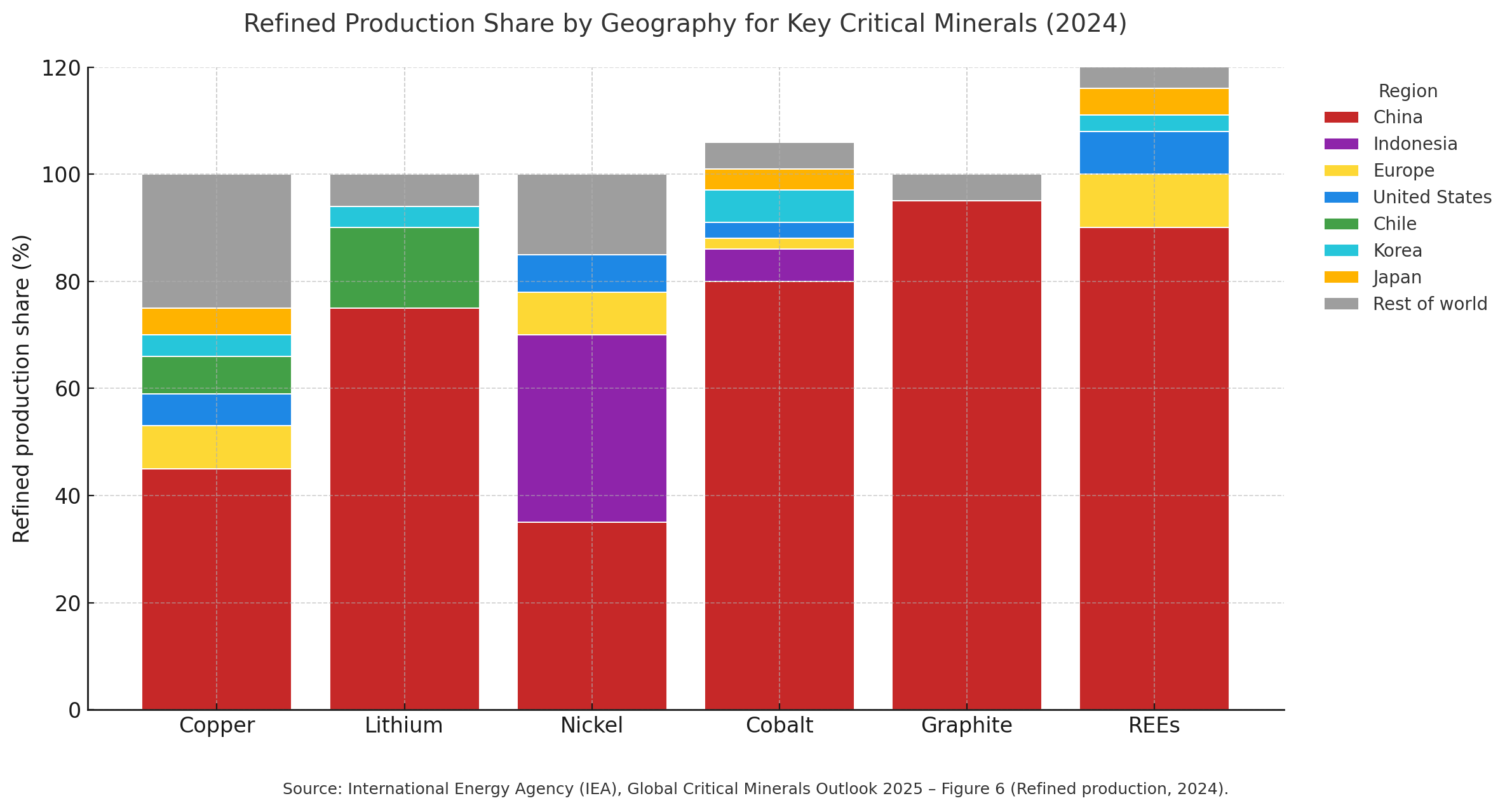
China has been the dominant player in the critical minerals supply chain globally.
The EU sources all of its supplies of heavy rare earths from China and 97% of its supplies of magnesium, according to the European Commission. That kind of market share has provided Beijing with diplomatic leverage, prompting many countries, including the United States and Canada to try to reduce their reliance on China.
U.S President Donald Trump recently invoked wartime powers to boost the production of critical minerals and rare earths in the United States.
The Group of 7 countries (G7} also launched a G7 Critical Minerals Action Plan, building on a five-point plan for critical minerals security established during the Japan’s G7 Presidency in 2023 and advanced by Italy in 2024.
The Action Plan will focus on diversifying the responsible production and supply of critical minerals, encouraging investments in critical mineral projects and local value creation, and promoting innovation.
“We recognize that non-market policies and practices in the critical minerals sector threatens our ability to acquire many critical minerals, including the rare earth elements needed for magnets, that are vital for industrial production,” the G7 said in a statement.
Industry officials say the move is another sign that the Western World is waking up to the fact that critical minerals are essential to maintaining a leadership position in technology and national security. As global geopolitical tensions continue to rise, industry officials warn that North America has been left exposed by China’s dominance of rare earth element production from mining to refining.
It is worth noting that after U.S. President Trump imposed additional tariffs on Chinese products, Beijing recently tightened export controls on 25 rare earth minerals shipments, dealing a blow to the U.S. military industrial complex, which is one of the biggest buyers of such minerals. The fact that the U.S. is so dependent on China for rare earths is widely viewed as an economic and security risk
It is a scenario that spells opportunity for a company like Ucore Rare Metals Inc. [UCU-TSXV, UURAF-OTCQX], which has received US$22.4 million in backing from the U.S. Department of Defense and U.S. Army Contracting Command-Orlando.
Ucore, has rights to a transformational rare earth separation technology, RapidSX. The company is currently undertaking heavy and light rare earth element (REE) separation at demonstration scale at its RapidSX Commercialization and Demonstration Facility in Kingston, Ont. Participants in this project include the U.S. Department of Defense and Canadian Government as Ucore implements its technology transfer plan from demonstration scale to commercial scale at its prospective Louisiana SMC.
 Barksdale Resources Corp. [BRO-TSXV, BRKCF-OTCQX, 2NZ-FSE] is planning to drill an undefined copper porphyry deposit and near surface chalcocite target, at its flagship Sunnyside project in Arizona.
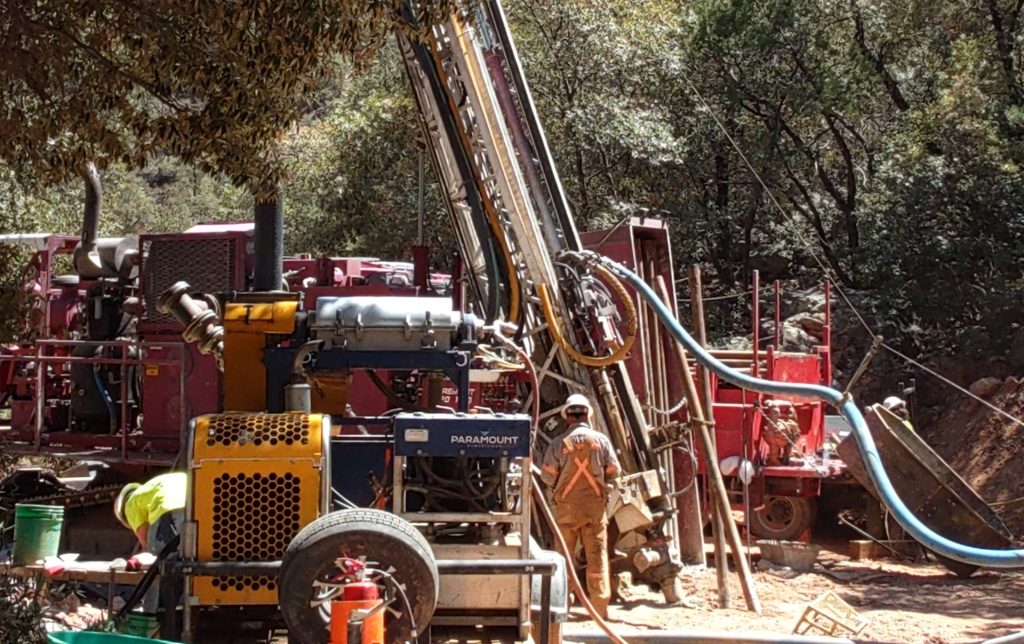
In an interview, Barksdale CEO William Wulftange said mineralization at Sunnyside is part of the same geological system that supports critical minerals deposits that are being developed by South32 Ltd. [S32-ASX] on its adjacent Hermosa property.
South32 says Hermosa has the potential to become a globally significant producer of critical metals and is now developing its zinc-lead silver Taylor sulphide deposit, while continuing to progress studies on a second deposit, the zinc manganese silver Clark oxide deposit. The land package also includes the copper-lead-zinc Peake exploration target.
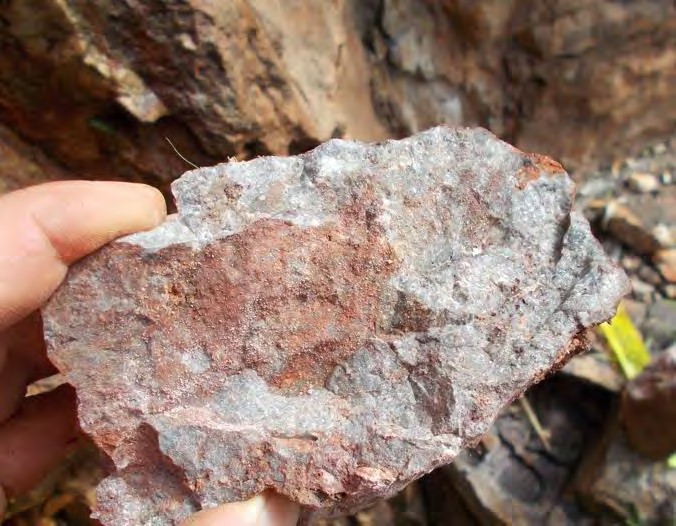 South32 said a pre-feasibility study envisages Taylor as a sustainable, highly productive underground mine with a conventional processing plant. The 65 million tonne reserve, grading 4.35% zinc, 4.9% lead, and 82 g/t silver is expected to support the first 19 years of a projected 28-year mine-life. First production is expected from Taylor in the second half of 2027.
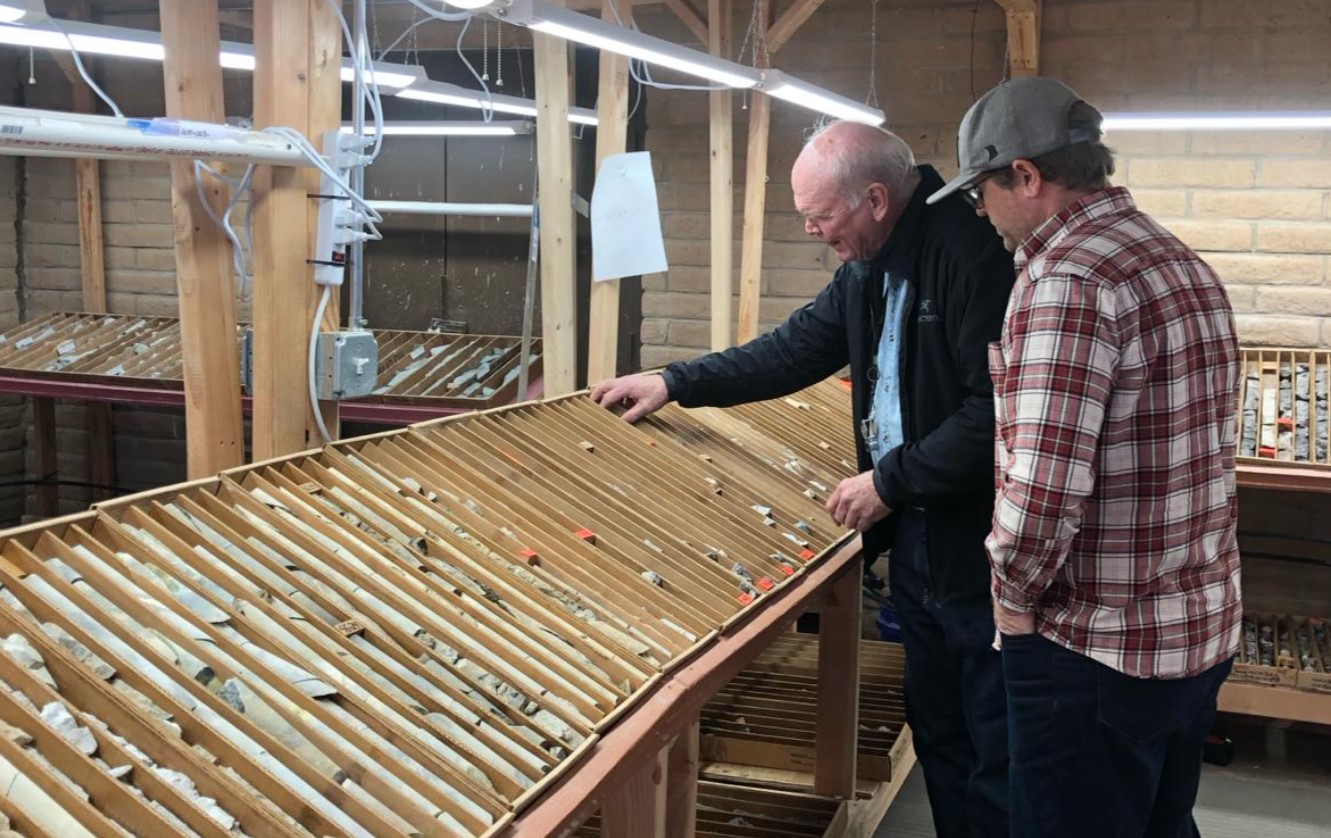
Wulftange says underground development at Hermosa is bound to add value to Sunnyside by providing underground access to porphyry deposits. Sunnyside is also located in the Patagonia Mountains about 80 kilometres south-east of Tucson, Arizona. While South32 continues its work, Barksdale has completed the required 7,620 metres of drilling and $6 million of defined expenditures that entitles it to acquire an initial 51% interest in the Sunnyside project.
The company has elected to increase its ownership at Sunnyside to 67.5% and expects to complete another 7,620 metres to surpass the Phase 2 earn-in requirements with vendor Regal Resources, a privately-owned Vancouver company. Drilling is expected to resume after the rainy season this year and be completed before year-end.
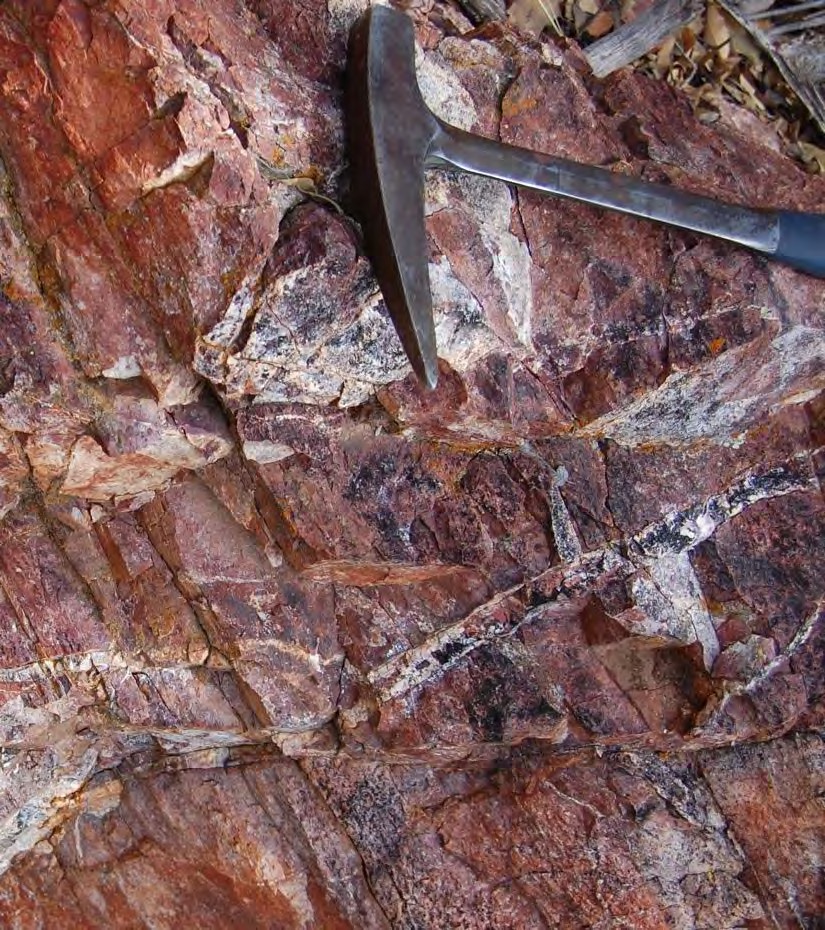 Sunnyside covers 21 square kilometres. It is cored by a large intrusive complex that is thought to have driven a large hydrothermal system that created a classically zoned copper porphyry and associated distal deposits. Until recently, Barksdale’s primary exploration target was a skarn located in on the northeast margin of the intrusive complex that is likely to host copper-zinc-lead-silver mineralization that is interpreted to be the extension of South32’s Taylor deposit. Drill results released in December, 2024, and January 2025, have already shown that South32’s Taylor and Peake deposits extend onto the Sunnyside property.
However, due in part to deep drilling challenges, Barksdale has shifted its focus at Sunnyside to an undefined copper porphyry deposit and near surface chalcocite target. “A review of the historical drilling by ASARCO (the U.S. mining and smelting company now owned by Grupo Mexico) revealed both the near surface and deeper copper/base metal targets that returned very impressive intercepts of copper mineralization, which have largely been ignored until now,” Wulftange said. When ASARCO was active on the property, copper was trading at under US$1.00 a pound. Copper is currently trading at over U$5.00 a pound. Barksdale currently has $1.4 million in the treasury to fund exploration and will likely tap the market for additional funding (potentially up to $5 million) in the near future.
Meanwhile, on July 14, 2025, Barksdale shares were trading at 12 cents in a 52-week range of 21 cents and $0.055.
Resource World Magazine Inc. has prepared this editorial for general information purposes only and should not be considered a solicitation to buy or sell securities in the companies discussed herein. The information provided has been derived from sources believed to be reliable but cannot be guaranteed. This editorial does not take into account the readers investment criteria, investment expertise, financial condition, or financial goals of individual recipients and other concerns such as jurisdictional and/or legal restrictions that may exist for certain persons. Recipients should rely on their own due diligence and seek their own professional advice before investing.