
Namib Minerals Building a Multi-Asset Mining Powerhouse in Zimbabwe and the DRC

By Peter Kennedy
Namib Minerals is set to become a publicly traded company in the U.S., a move that would give investors a window on high grade gold production in Zimbabwe as well as critical and battery minerals exploration in the Democratic Republic of Congo.
“Namib stood out as a compelling partner due to its history of underground mining in precious metals, opportunities for future expansion and its mission to create safe, sustainable and profitable operations in the communities it serves,” said Hennessy.
The combined public company (Pubco) is expected to be named Namib Minerals, and to list its shares and warrants on Nasdaq under the ticker symbols “NAMM,” and NAMMW respectively, subject to completion of the business combination and Nasdaq approval.
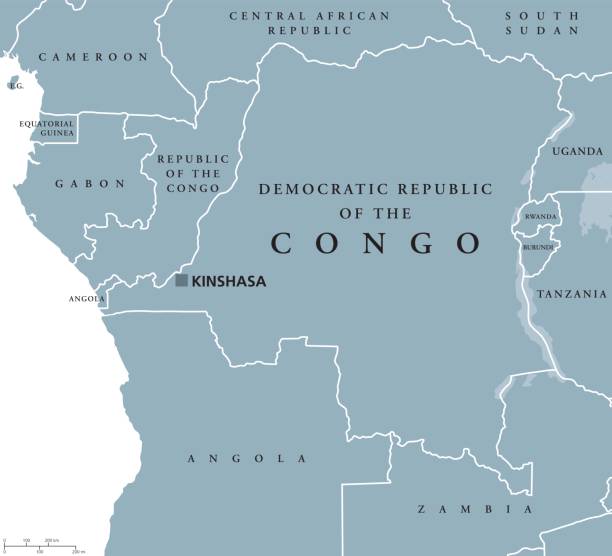
The aim is to build a leading gold mining company, while taking steps to become a multi-jurisdictional and battery metals mining company via the development of assets in the Democratic Republic of Congo (DRC). These consist of an interest in 13 copper and cobalt mining permits covering 205 square kilometres, which are located in the Haut Katanga and Lualaba Provinces in the DRC near Ivanhoe Mines Ltd. [IVN-TSX, IVPAF-OTC] and Zijin Mining Group’s Kamoa-Kakula Copper Complex, which ranks as one of the world’s largest copper mining operations.
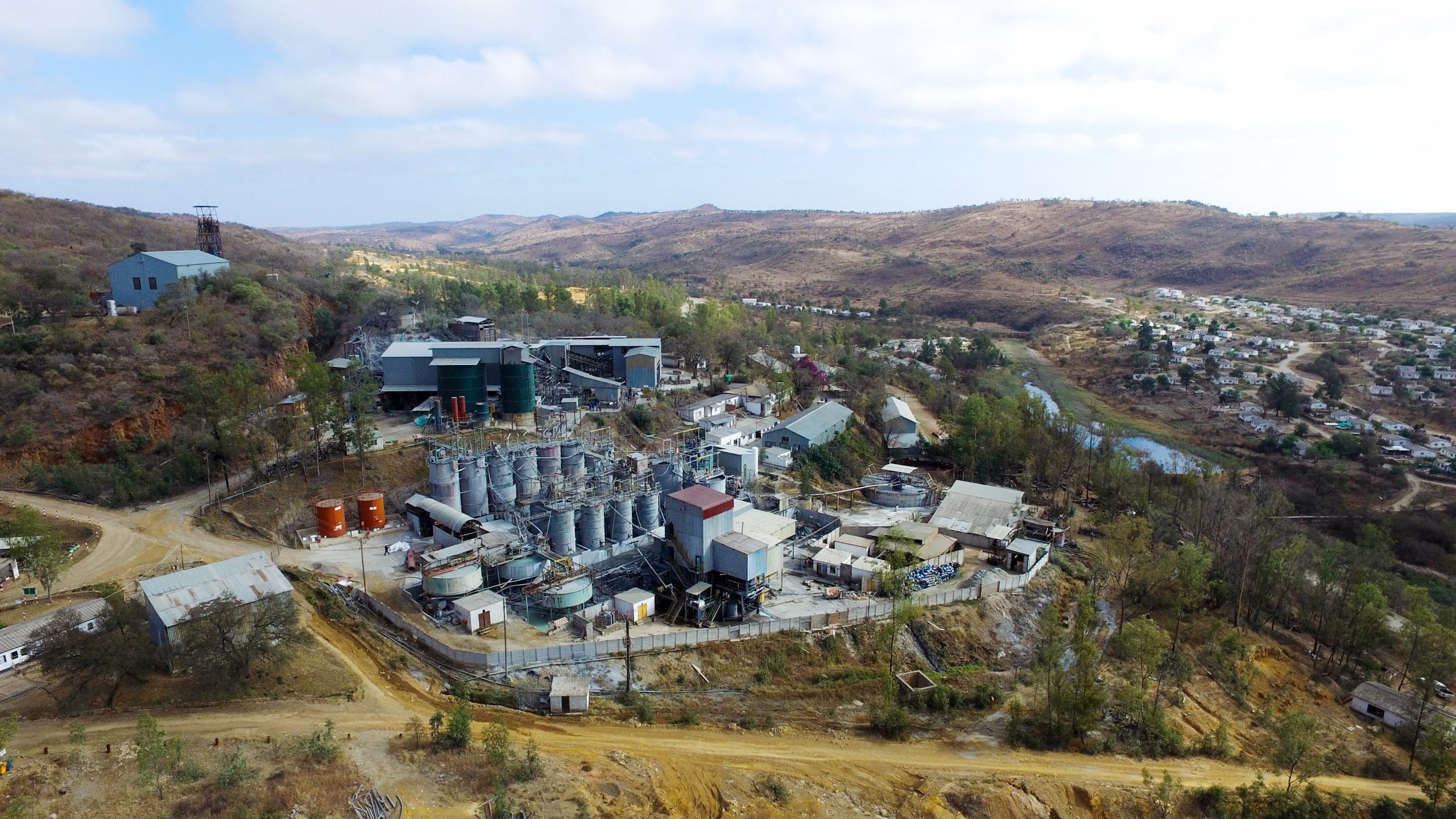
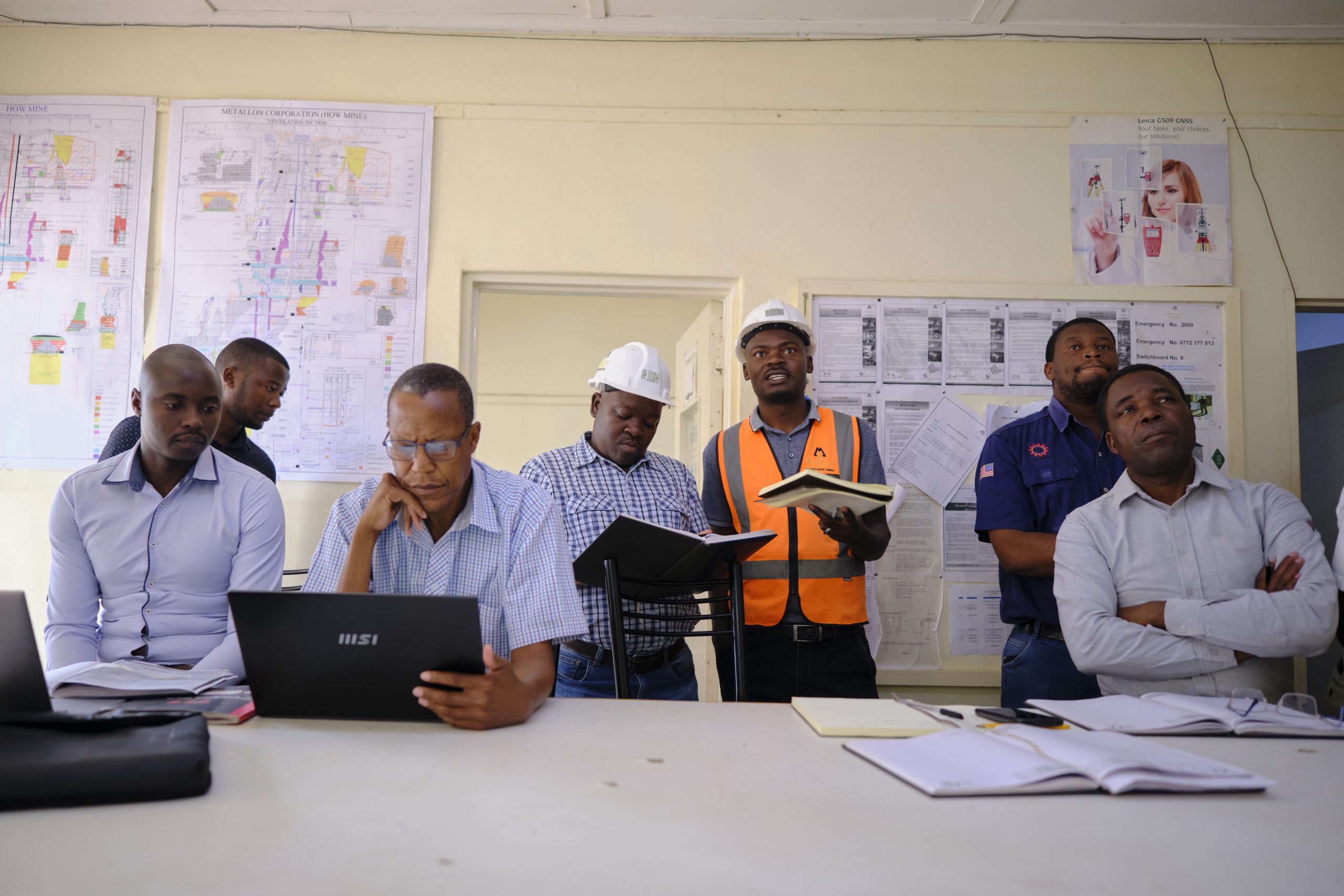
From 1941 to 2023, the How Mine produced over 1.78 million ounces of gold. It was expected to add to that tally by producing 27,000 ounces in 2024, down from 33,700 ounces in 2023 when all-in-sustaining costs came in at US$1,403 an ounce.
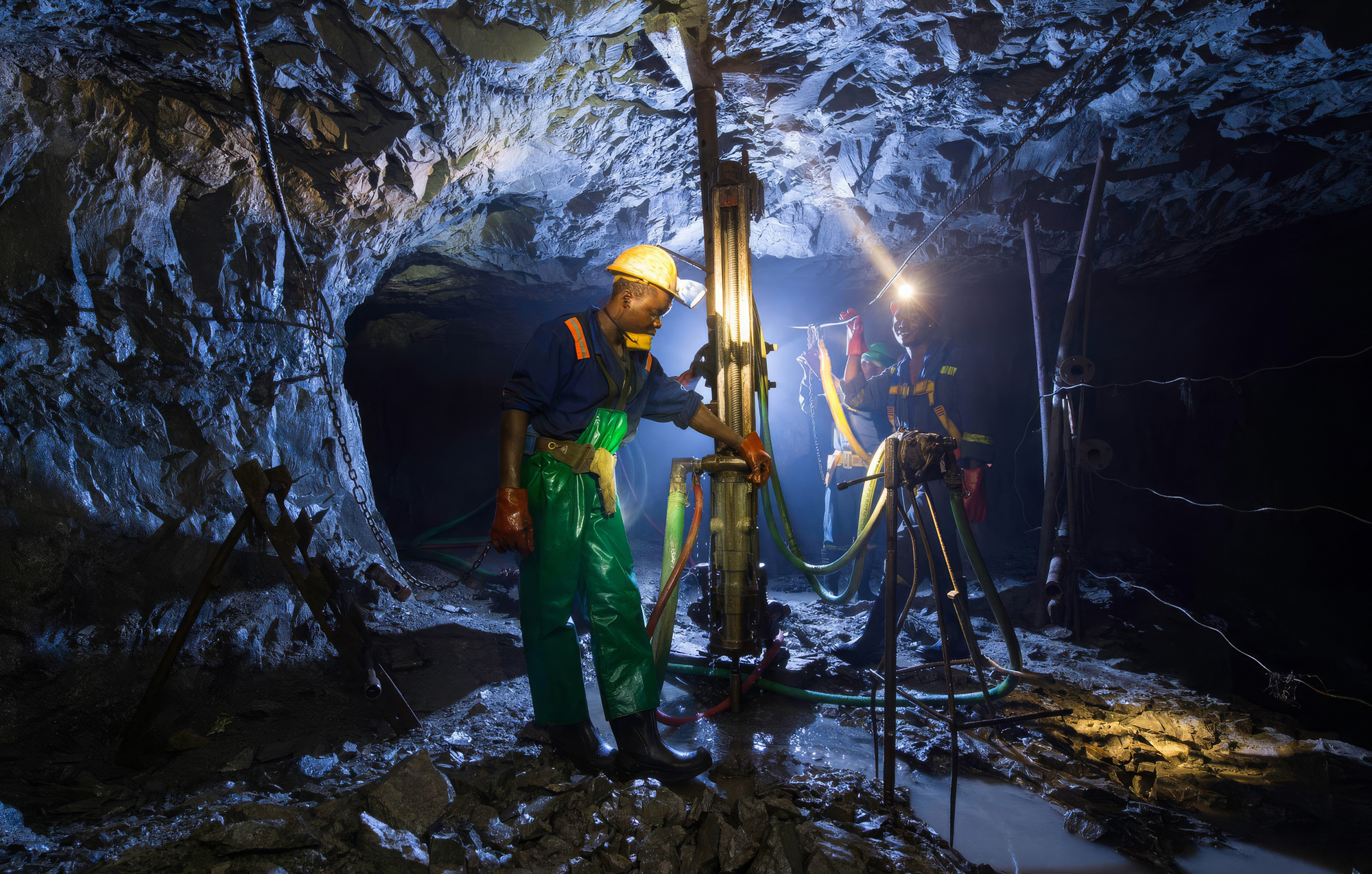
Mazowe and Redwing are former producing gold mines. The company aims to recommence production at both sites within 24 to 30 months upon receipt of project financing. Located 50 kilometres north of Harare (the capital and commercial hub of Zimbabwe), Mazowe produced 1.36 million ounces of gold from 1962 to 2018. Redwing is located 20 kilometres northwest of Mutare. It produced 650,000 ounces of gold from 1981 to 2019.
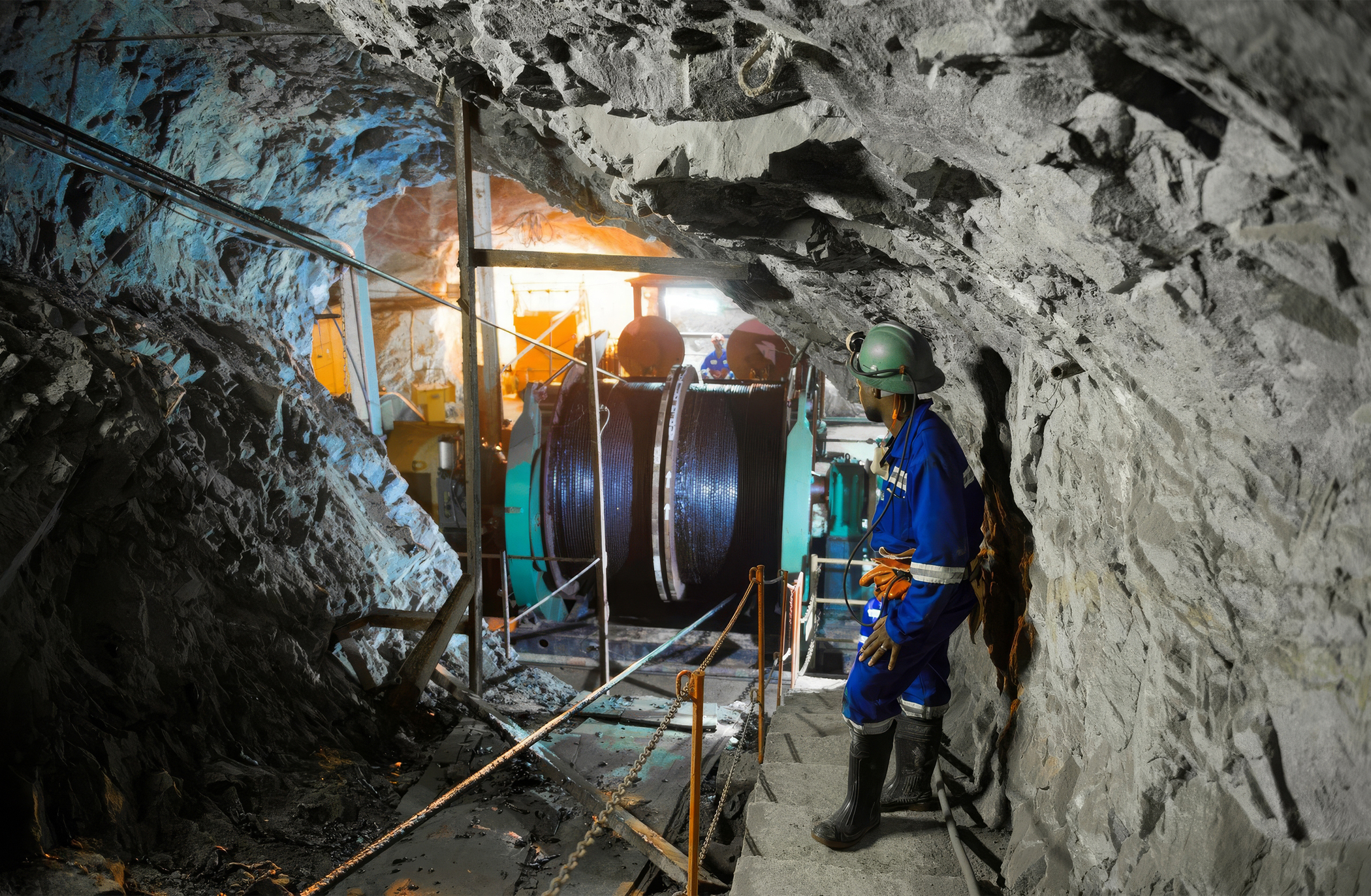
The move to gain a Nasdaq listing is led by an established management team, with deep mining roots in Africa, and a proven track record of operational and development success. It is a team that is uniquely positioned to drive sustainable development and deliver long-term shareholder value.
Ibrahima Tall will serve as both CEO and a director at Namib Minerals. He began his mining career at the Kiniero Gold Mine in Guinea, a joint venture between Group Managem and Semafo (formerly a Canadian mining company), where he advanced to the role of Assistant Managing Director. In 2005, he was involved in the development of Semafo’s Samira Hill mine in Niger, correcting stability issues and training technical personnel. In 2020 Semafo was acquired by Endeavour Mining [EDV-TSX] in an approximate US$735 million deal.
In May 2023, the President of Zimbabwe launched the Responsible Mining Initiative to combat illegal mining activities in Zimbabwe. He has also set a target of US$12 billion as a mining sector revenue goal.
In the DRC, work has started across 13 exploration permits in which Greenstone has an interest, where six holes have been drilled identifying copper and cobalt potential. Greenstone has been granted four years of exclusivity to explore mining possibilities under the permits. Current drilling has identified copper mineralization in intervals up to 3.28% copper within 150 metres of surface. Follow-up step out drilling will test further mineralization.
Following the expected receipt of a feasibility study and conversion of the exploration permits to exploitation permits, Namib Minerals and the holder of the exploration permits expect to establish an operating joint venture.
Resource World Magazine Inc. has prepared this editorial for general information purposes only and should not be considered a solicitation to buy or sell securities in the companies discussed herein. The information provided has been derived from sources believed to be reliable but cannot be guaranteed. This editorial does not take into account the readers investment criteria, investment expertise, financial condition, or financial goals of individual recipients and other concerns such as jurisdictional and/or legal restrictions that may exist for certain persons. Recipients should rely on their own due diligence and seek their own professional advice before investing.