
Skeena’s Multi-Million-Ounce Gold Projects Fuel Golden Triangle Growth

By Peter Kennedy
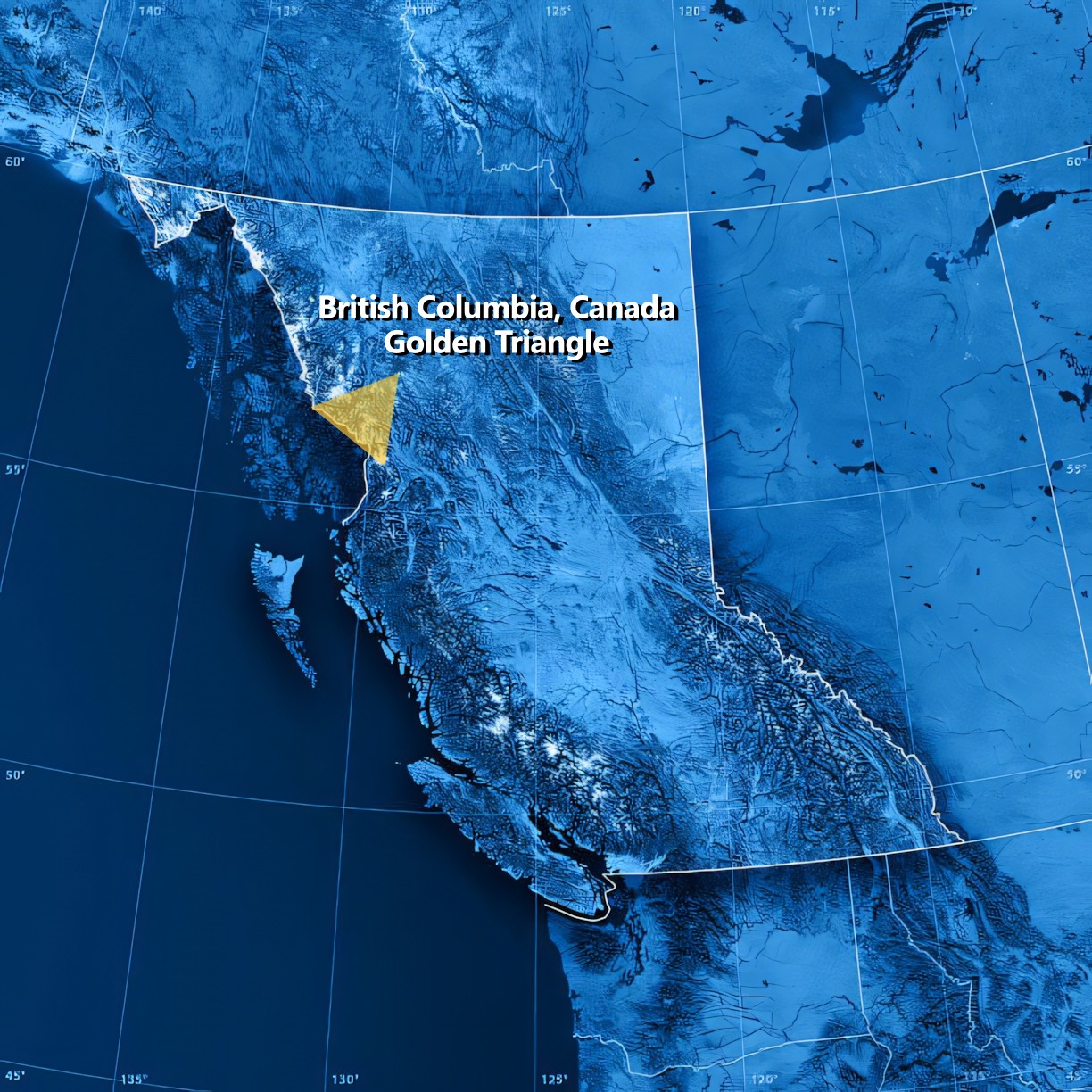
The Golden Triangle mining district in northwestern British Columbia ranks among the richest gold-silver-copper belts in the world. The region between Terrace and Telegraph Creek is recognized for its immense geological potential, hosting several large-scale projects that are moving towards production, including Skeena Gold & Silver’s (TSX: SKE, NYSE: SKE) Eskay Creek Project. The project just recently announced the receipt of their bulk technical sample permit to proceed with development activities in 2025 and is concurrently working advancing their Environmental Assessment application in close collaboration with the Tahltan First Nation partners. The receipt of the bulk sample permit is also important because it demonstrates continued progress on the overall permitting plan for Eskay Creek in BC and it is the key condition to drawdown the US$200m stream facility provided by Orion to fund development activities.
Five years earlier, Newmont agreed to acquire a 50% interest in the Galore Creek Partnership from NovaGold Resources Inc. [NG-TSX, NYSE American] and to form a joint venture with Teck Resources Ltd.’s (TECK.B-TSX, TECK.A-TSX, TECK-NYSE), which owns the remaining interest. Galore Creek is one of the largest undeveloped copper-gold projects with resources previously reported by Teck of eight million ounces of gold and nine billion pounds of copper.
One of the reasons why the Golden Triangle has attracted the world’s leading mining companies is the significant infrastructure that exists in the area. Over $2 billion has been spent towards infrastructure improvements in the region since 2012, including the paving of the Stewart-Cassiar Hwy, the opening of an international port facility in the town of Stewart, the construction of three hydroelectric facilities and the completion of a high-voltage transmission line that enables the use of low-cost, clean hydropower in the region.
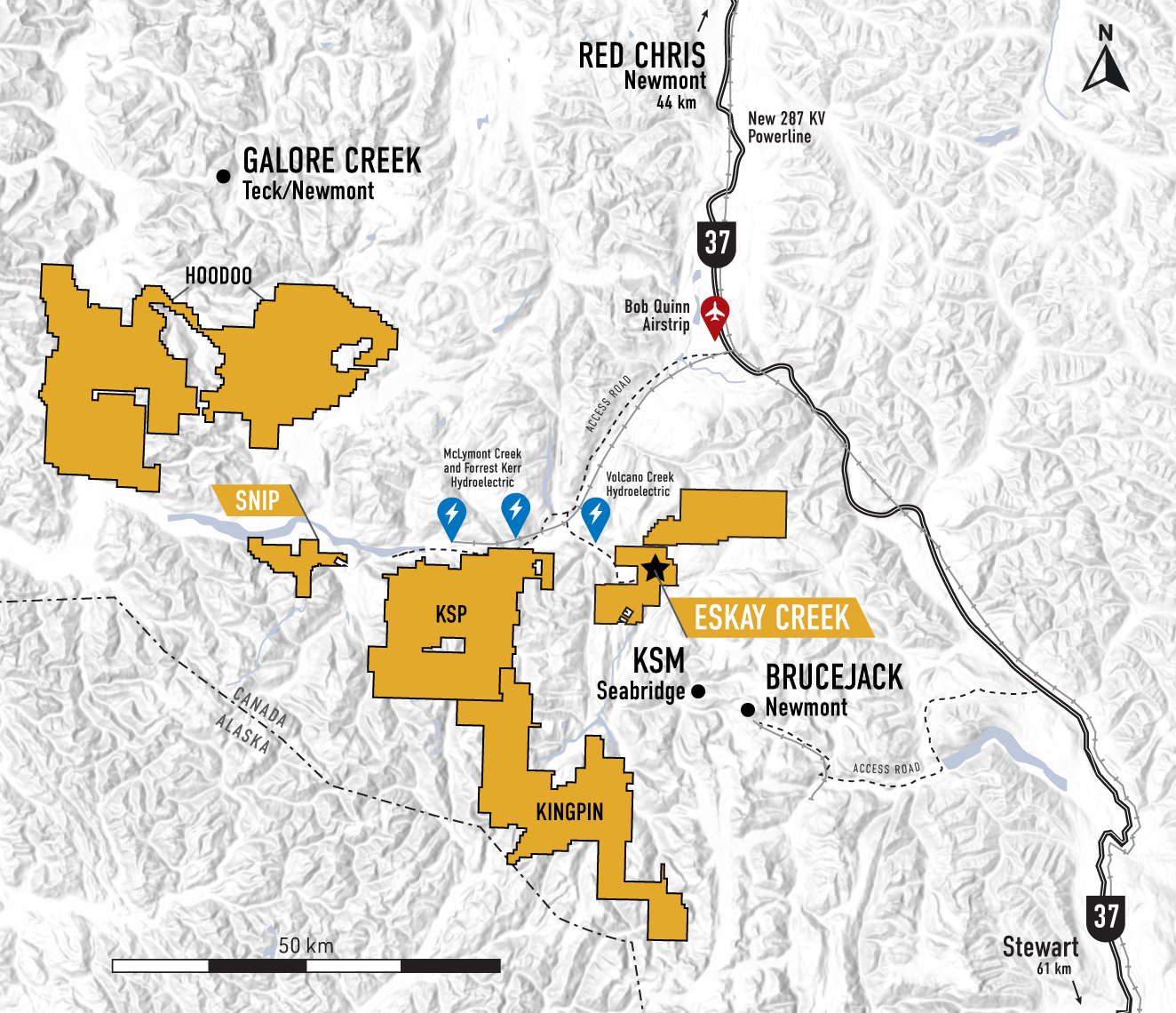
Meanwhile, the next major mine development in the Golden Triangle is Skeena Gold & Silver’s 100%-owned Eskay Creek Project – a past-producing underground mine that operated from 1994 – 2008 by Barrick Gold Corp. [ABX-TSX, GOLD-NYSE]. By redeveloping the mine, Skeena is continuing the legacy set by Barrick which produced 3.3 million ounces of gold and 160 million ounces of silver from 1994 to 2008. At that time, Eskay ranked as the highest-grade gold mine in the world with a mined grade of 45 g/t gold and 2,224 g/t silver. The mine was closed in 2008, citing low metals prices and high operating costs.
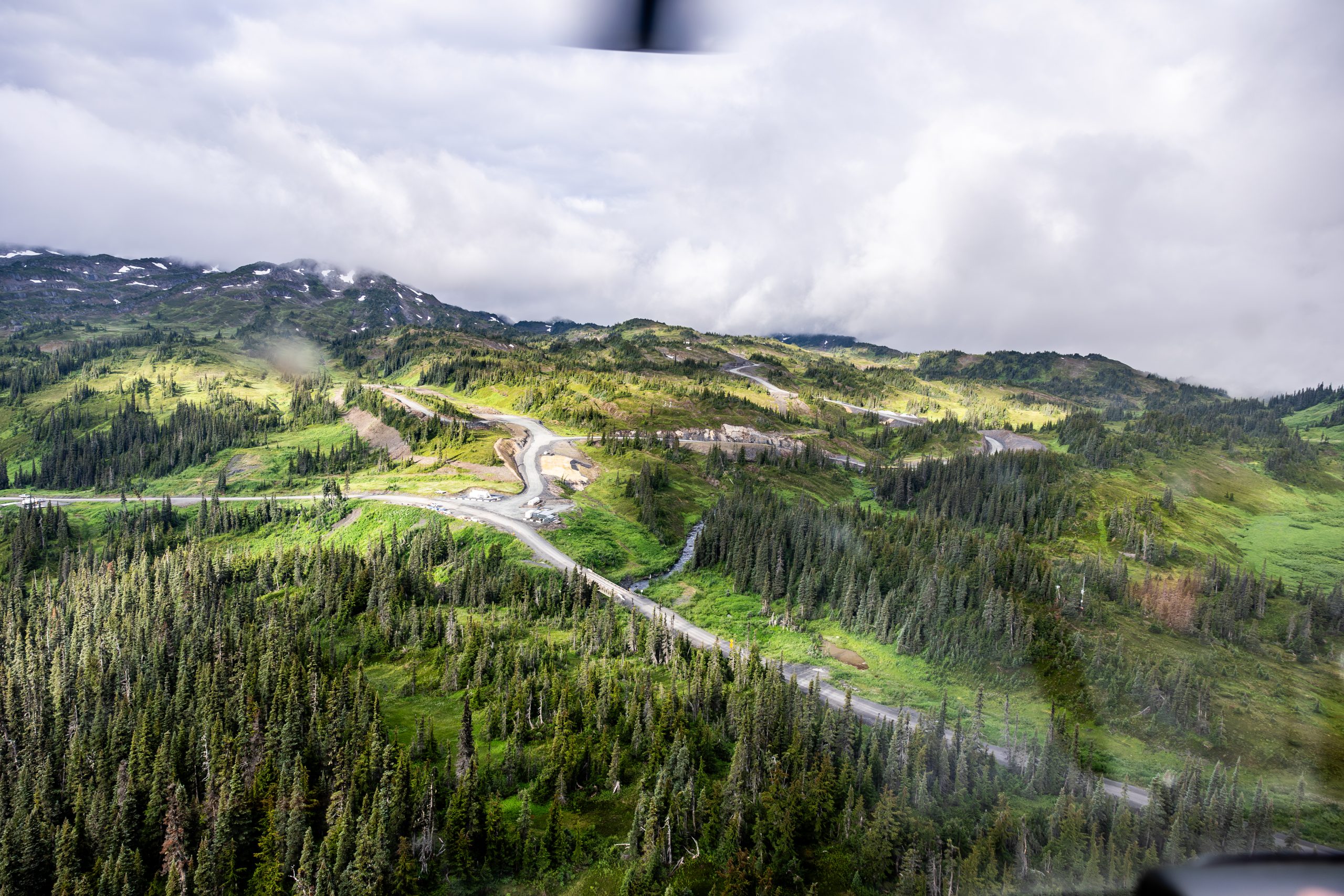
Fast-forward to today, and Skeena has re-envisioned Eskay Creek as a high-grade open-pit operation. Higher gold and silver prices coupled with an open-pit design have allowed for significantly lower cut-off grades and operating costs – making ore that was previously uneconomic now highly profitable. Eskay Creek benefits from existing site infrastructure used in previous operations, including a fully permitted tailings storage facility, camp buildings, and all-weather access roads leading into site.
Eskay represents one of the highest-grade lowest cost open-pit precious metals mines in the world. It has received international recognition as a world-class project and has been ranked the number one precious metals project in the world by Mining Journal for three consecutive years.
Aside from gold, Eskay will be a very significant silver producer, yielding an average of 9.5 million ounces of silver annually in the first five years of production – placing it amongst one of the largest primary silver mines in the world. Over its 12 year mine life, Eskay Creek is expected to yield 3.9 million ounces of gold and 80 million ounces of silver, with the end product being a high-grade concentrate.
Eskay Creek is projected to be one of the lowest greenhouse gas emission open-pit gold mines worldwide, emitting an average of 0.19 tonnes of C02e/oz AuEq produced. Several factors contribute to this low number, such as the high-grade nature of the deposit, and access to hydropower near the site.
It is worth noting that significant quantities of antimony, lead, and zinc have been identified at Eskay and given that none of these critical minerals are included in the recent economic studies, they have the potential to increase concentrate payabilities and bolster project economics.
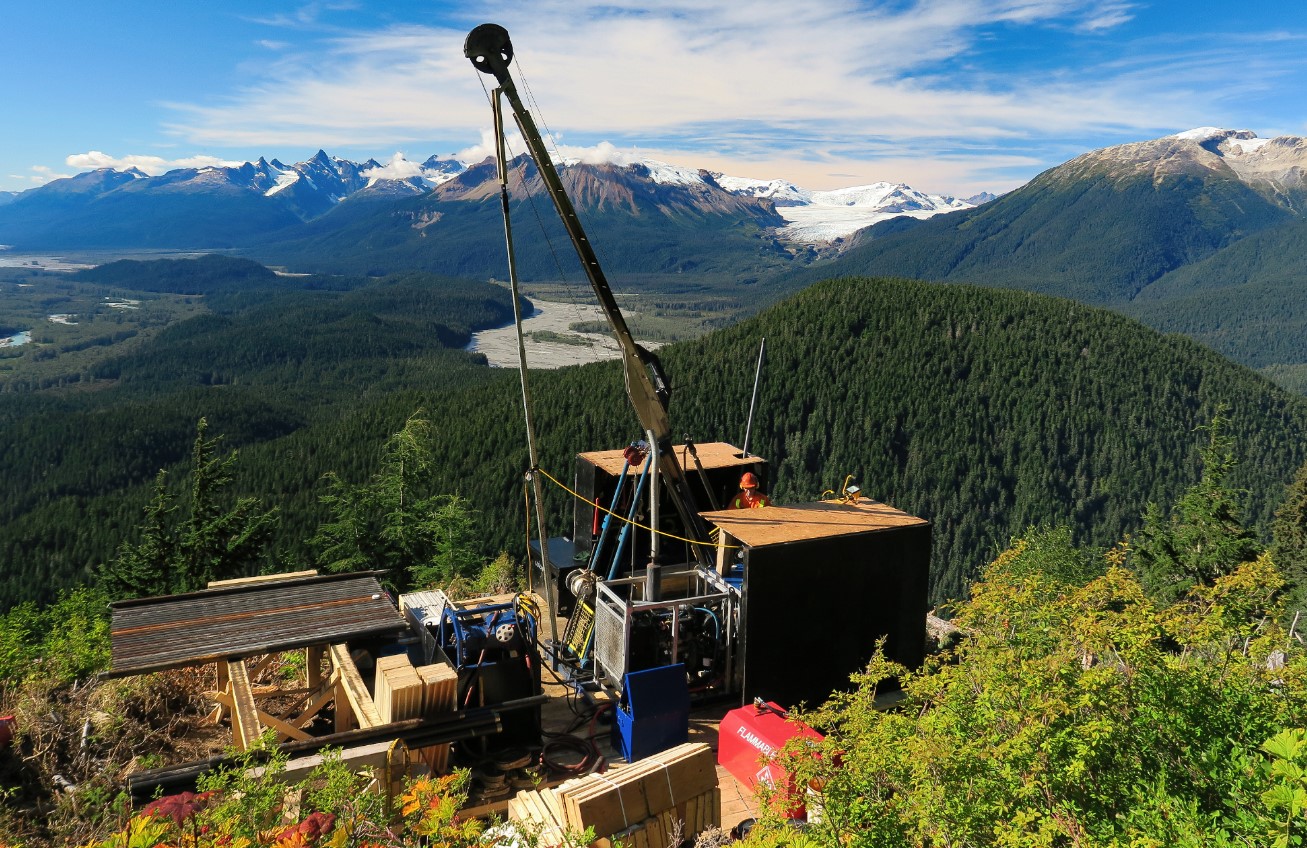
Skeena has said Snip represents an opportunity to improve Ekay’s production profile in later years by trucking ore from Snip and processing it at Eskay’s centralized mill.
As Eskay advances towards production, Skeena shares were trading recently at C$13.63 in a 52-week range of $14.28 and $4.48, leaving the company with a market cap of $1.4 billion, based on 107 million shares outstanding.
Catalysts that could have a positive impact on the company’s valuation in the near future include the announcement of an Impact and Benefits agreement with the Tahltan Central Government and further permit approvals.
Resource World Magazine Inc. has prepared this editorial for general information purposes only and should not be considered a solicitation to buy or sell securities in the companies discussed herein. The information provided has been derived from sources believed to be reliable but cannot be guaranteed. This editorial does not take into account the readers investment criteria, investment expertise, financial condition, or financial goals of individual recipients and other concerns such as jurisdictional and/or legal restrictions that may exist for certain persons. Recipients should rely on their own due diligence and seek their own professional advice before investing.